

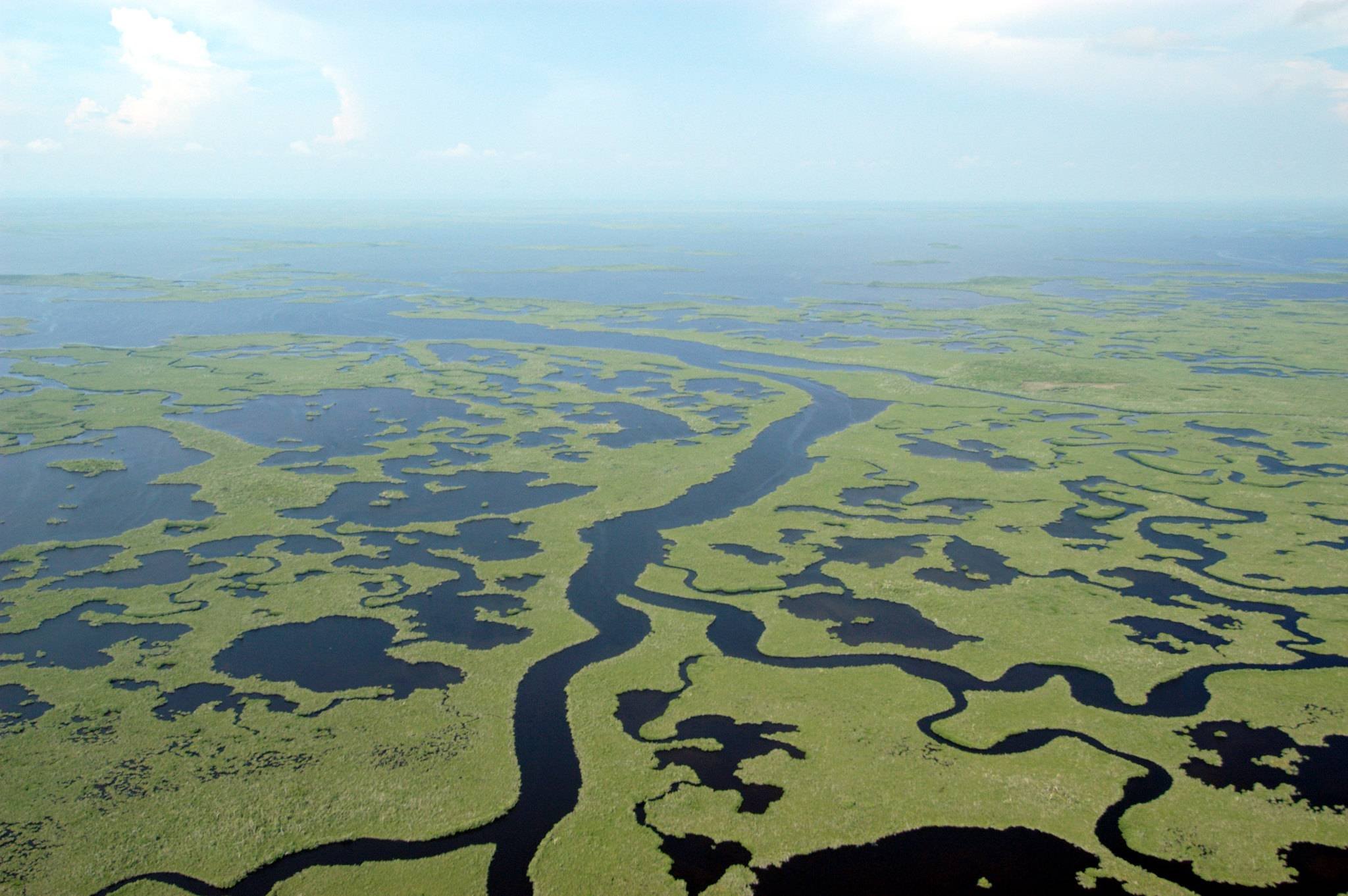
Coastal Cleanups
Uniting to Confront Marine Debris
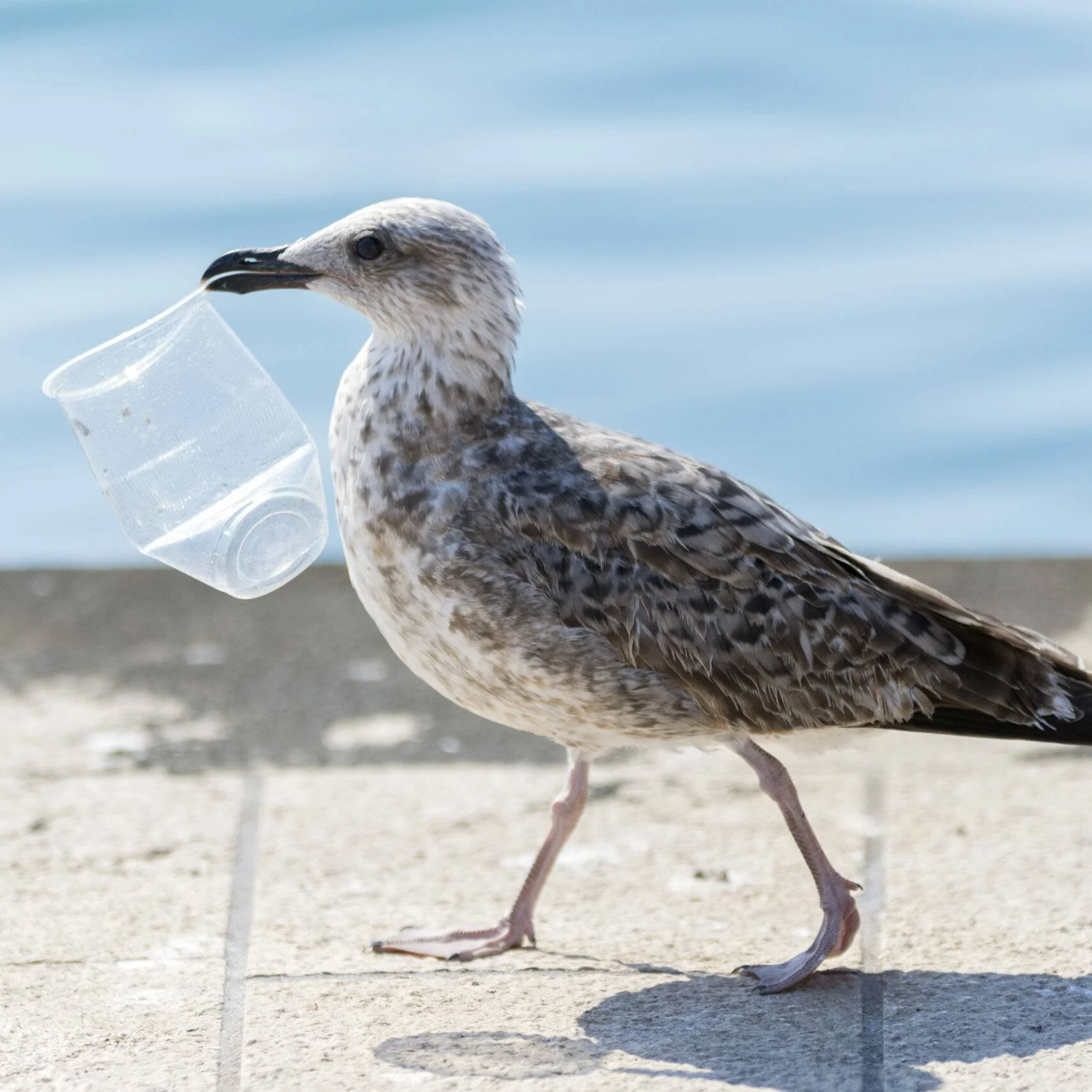
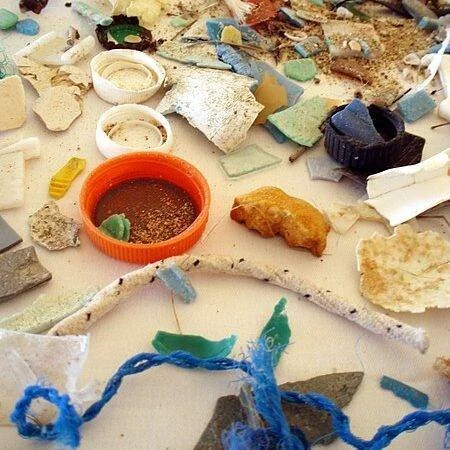
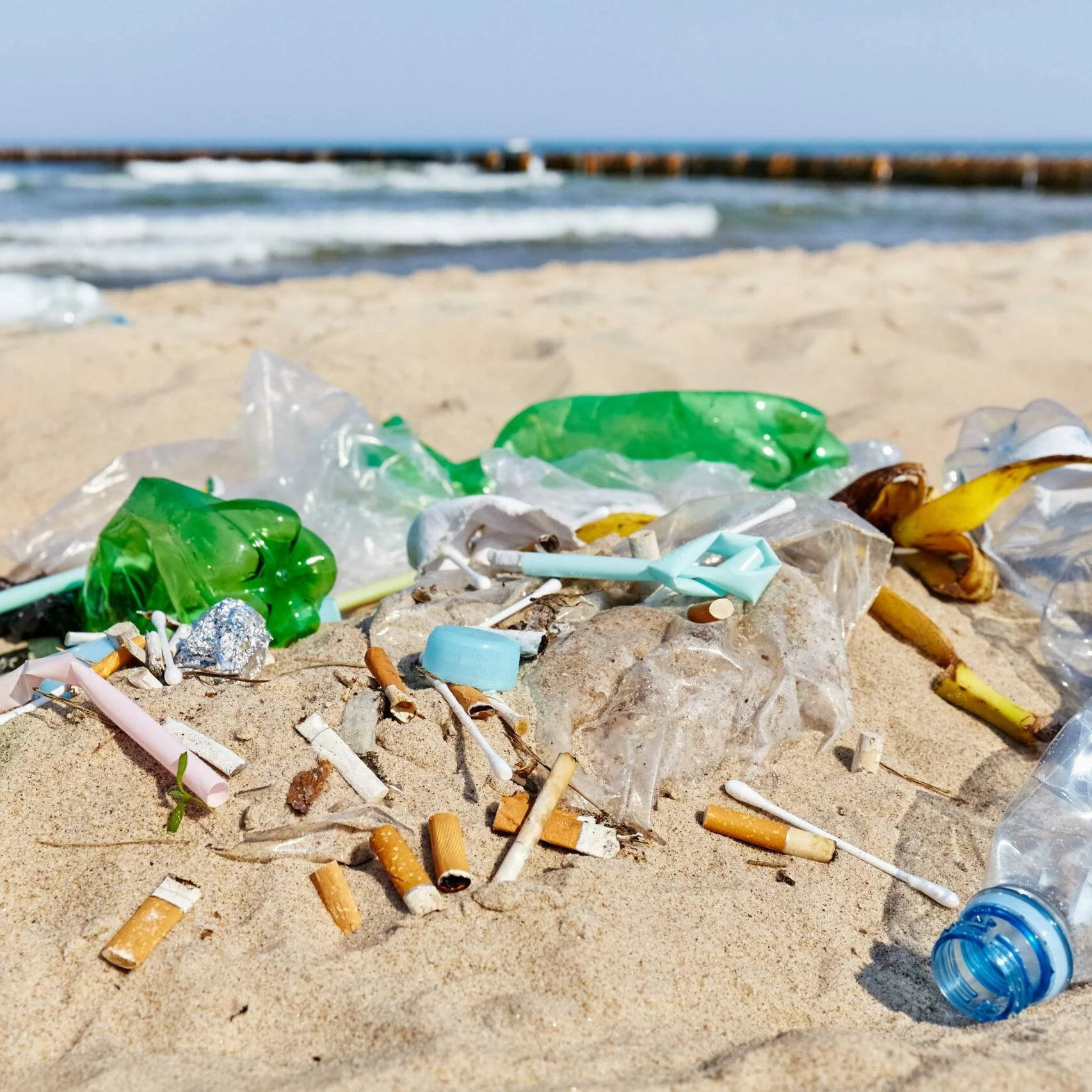
One of the greatest threats to our planet is marine debris. Marine debris impacts our human health, tourism economy, water quality, and wildlife. It’s estimated that 80% of marine debris comes from land-based sources, so tackling our plastic pollution problem begins with us!
How long does trash stick around before it breaks down?
Ever wondered how long certain products and materials last? Discover the lifespan of common household items below – the results may surprise you.
Toilet Paper
One Month
Cardboard
Two Months
Cigarettes
10 Years
Diapers
450 Years
Some Plastics
Never
Plastics never break down fully. They break down into micro-plastics which continue to persist in the enviroment, contributing to plastic polution the naked eye is unable to see.
How can you make an impact?
As a community deeply rooted in our love for the water, let’s work together to combat marine debris. Here are some ways to directly contribute to a healthier environment.
Refuse
Unnecessary single-use items, like plastic water bottles, grocery bags, straws, or cutlery.
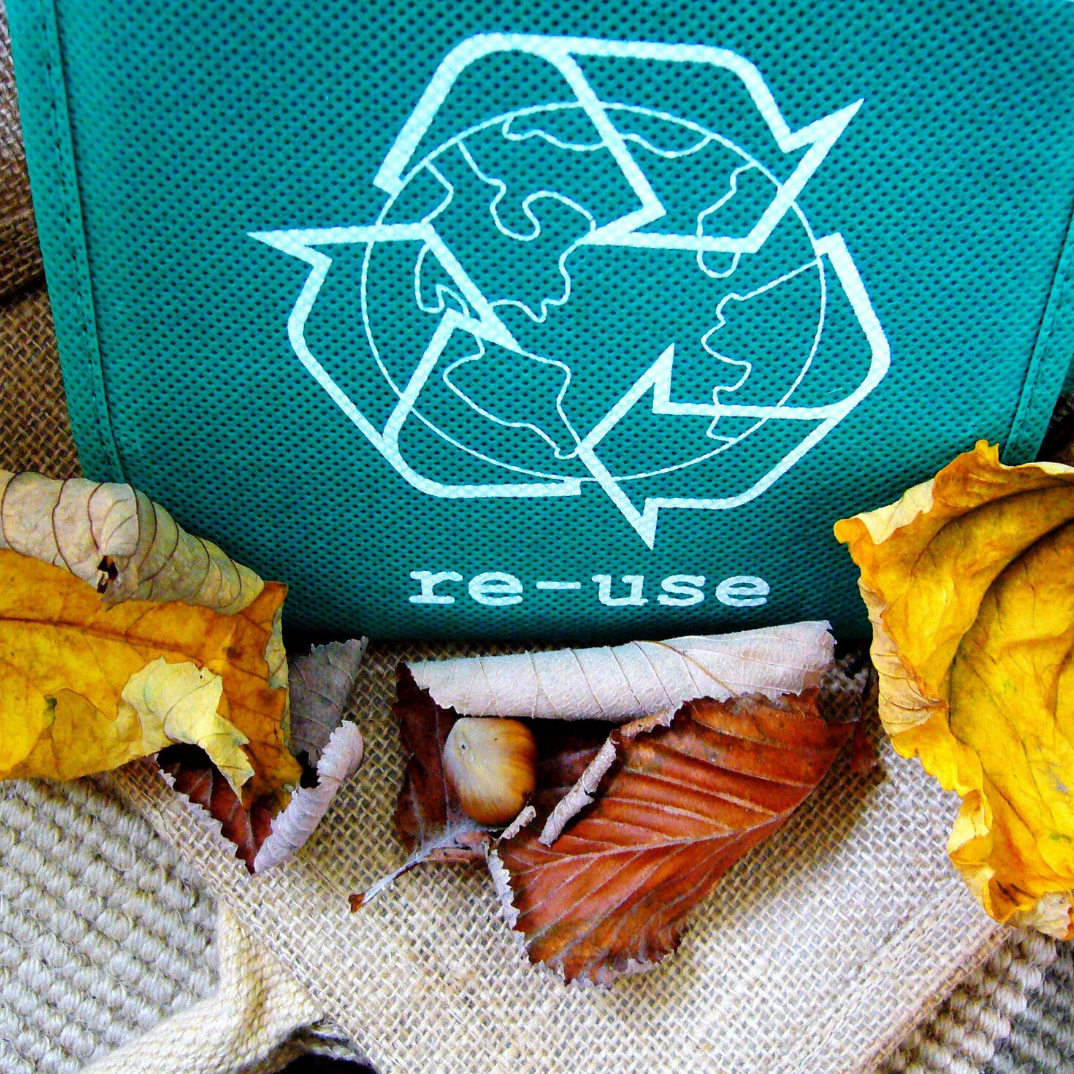
Recycle
Properly by following your city’s guidelines.
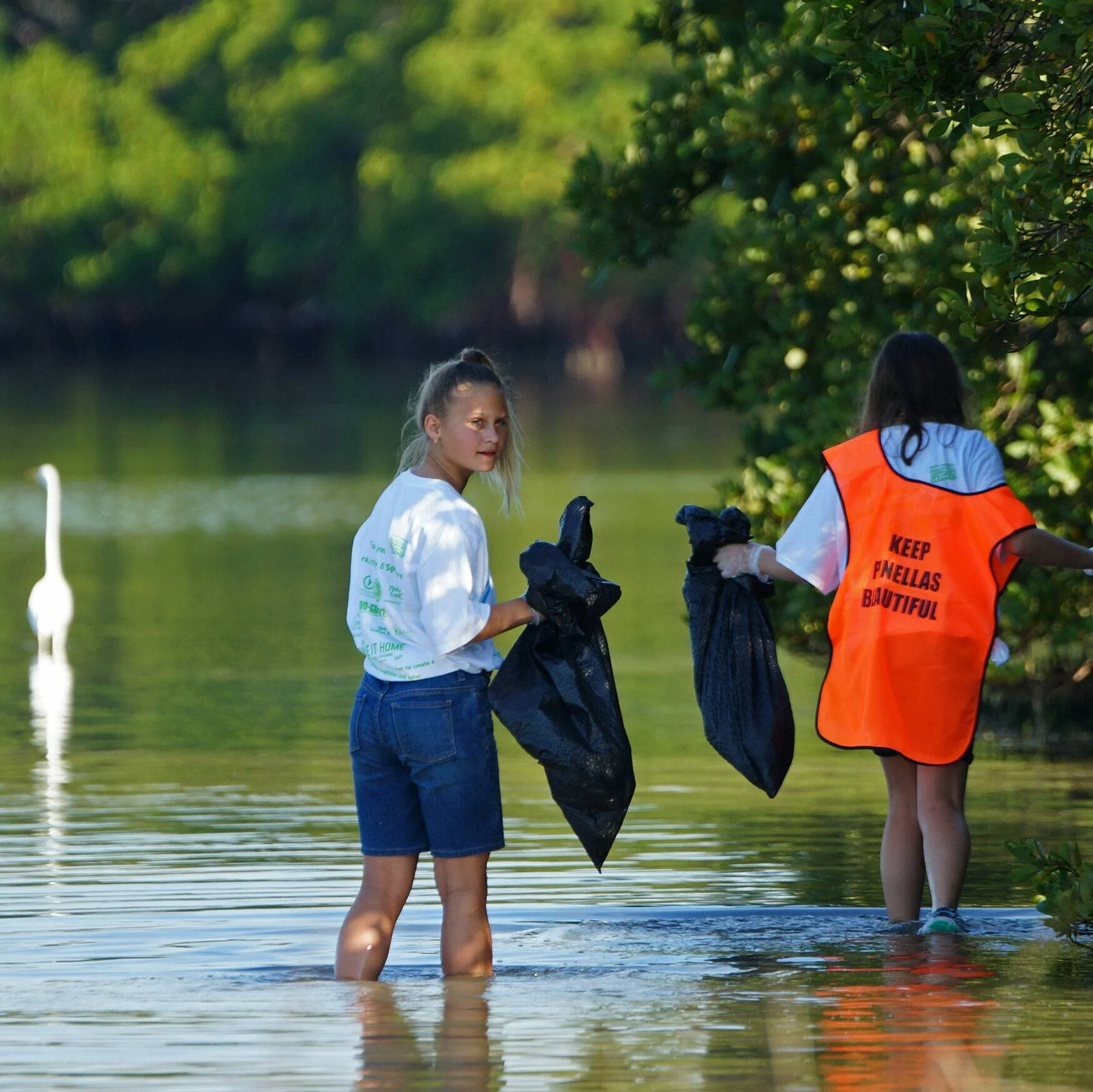
Get Involved
And engage your family and friends to participate in local cleanups.

Vote
For candidates that implement policy to protect our environment.
Reduce
The waste you produce.

Reuse
Items when you can, rather than purchasing disposables.

Remember!
Our land and sea are connected.
Tampa Bay Watch hosts three large-scale community cleanups a year, along with smaller efforts on a needed basis at various sites throughout the Tampa Bay region.
Keep an eye out to participate in March (Great American Cleanup), July, and September (International Coastal Cleanup).
Our Approach



Get involved with resources to clean up your own neighborhood!
Email Sara Brehm, Marine Debris/GIS Program Coordinator with questions about this program: sbrehm@tampabaywatch.org